Active Health Sport

Kait Amazra

Kait Amazra is the founder and lead writer of Active Health Sport. With over 25 years of experience in health, fitness, and wellness education, Kait combines professional expertise with a passion for helping people live stronger, healthier, and more balanced lives. As a licensed health and fitness professional, Kait has worked alongside industry experts to deliver evidence-based insights on physical activity, nutrition, recovery, and holistic well-being. Through Active Health Sport, Kait’s mission is to make trusted, practical, and science-backed health information accessible to everyone, from beginners building new habits to athletes seeking peak performance.

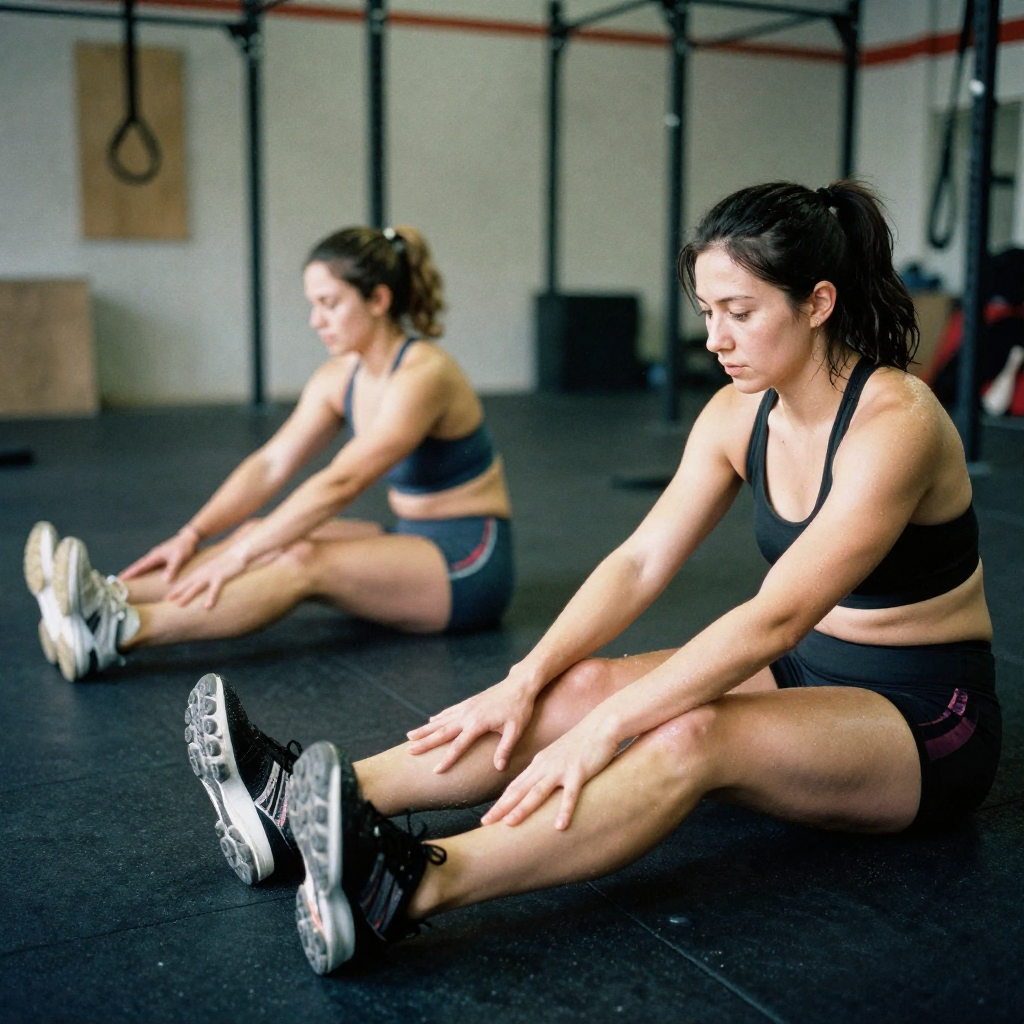
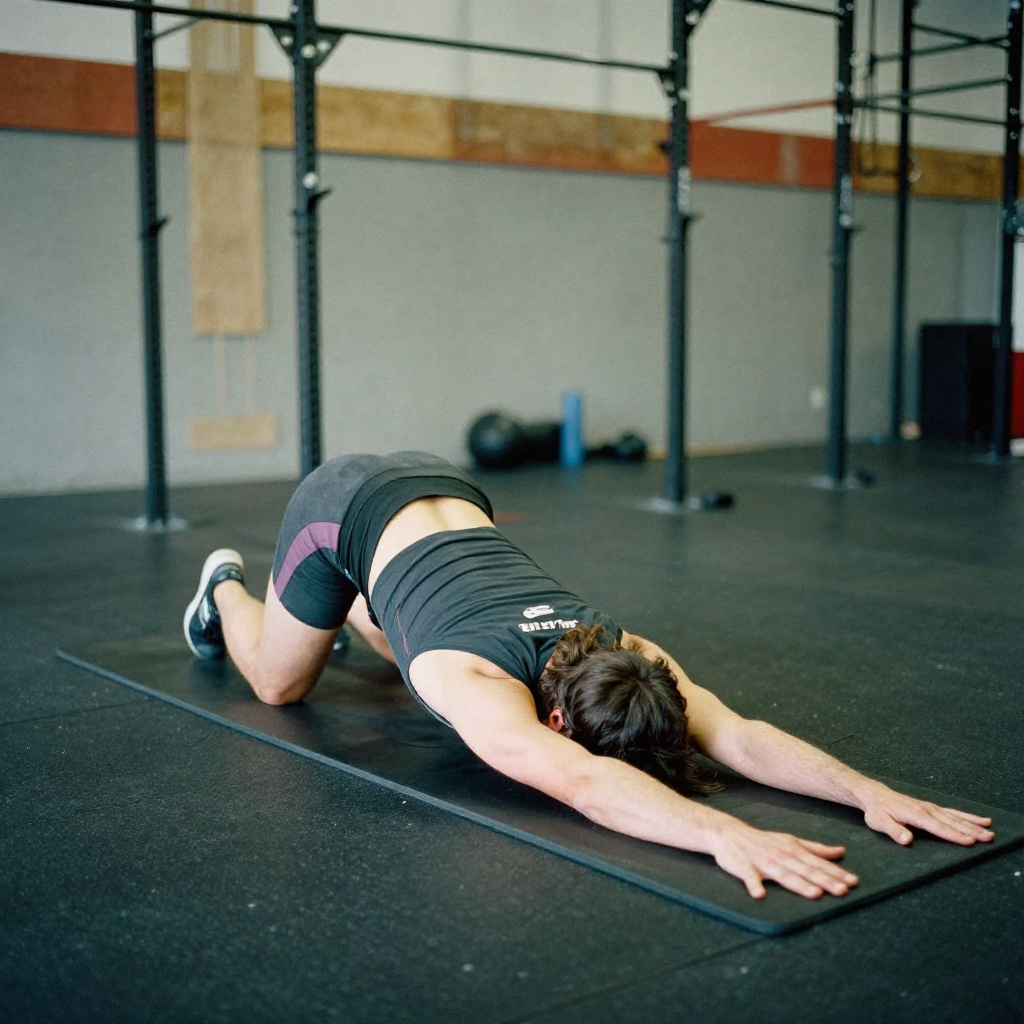
Mobility matters in stretch for CrossFit progress, an athlete performing hip openers on a mat, gym background.

Why Mobility Matters More Than Muscle for CrossFit Progress

In CrossFit culture, strength numbers often steal the spotlight: heavier deadlifts, faster WOD times, and bigger PRs. While muscle and power are essential, they are not the limiting factor for long-term CrossFit progress. Instead, the real bottleneck for most athletes is mobility. Mobility determines how efficiently force is produced, how safely movements are executed, and […]

Why Mobility Matters More Than Muscle for CrossFit Progress Read More »
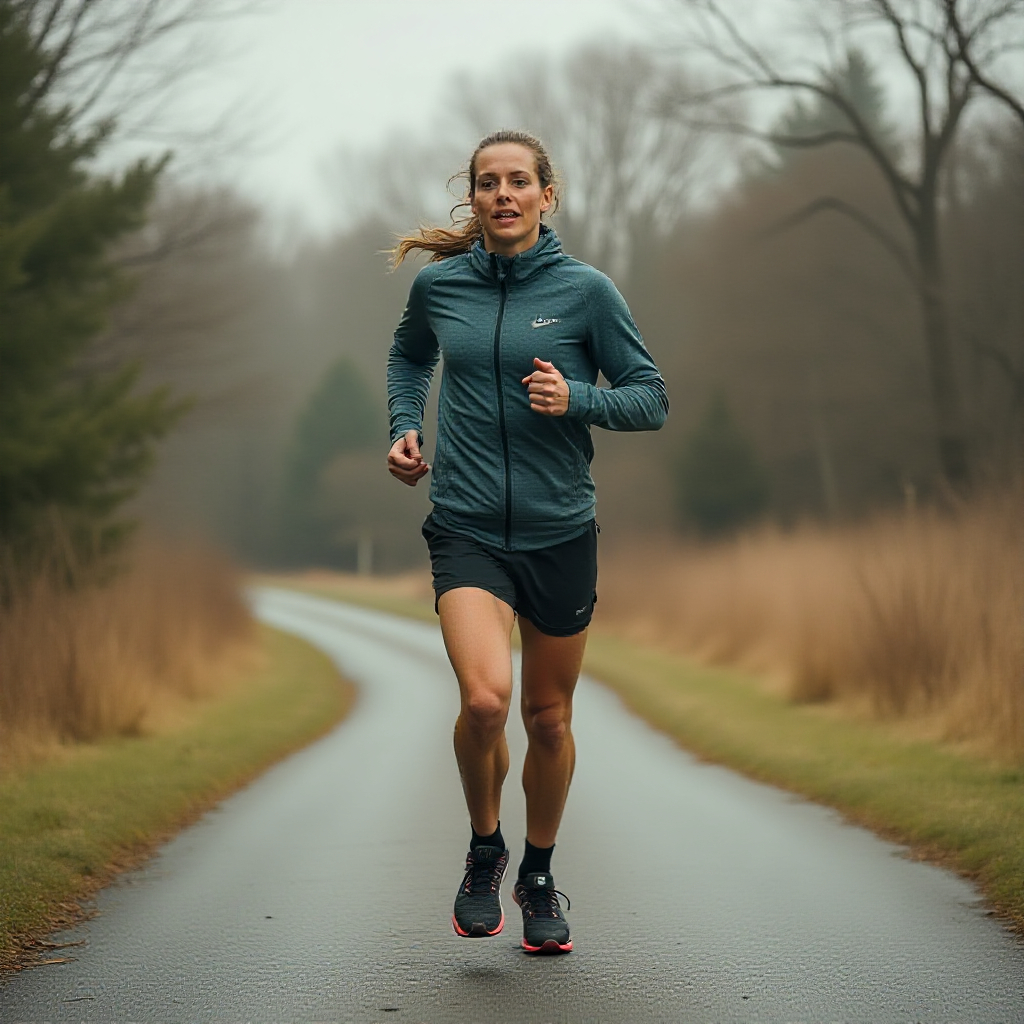
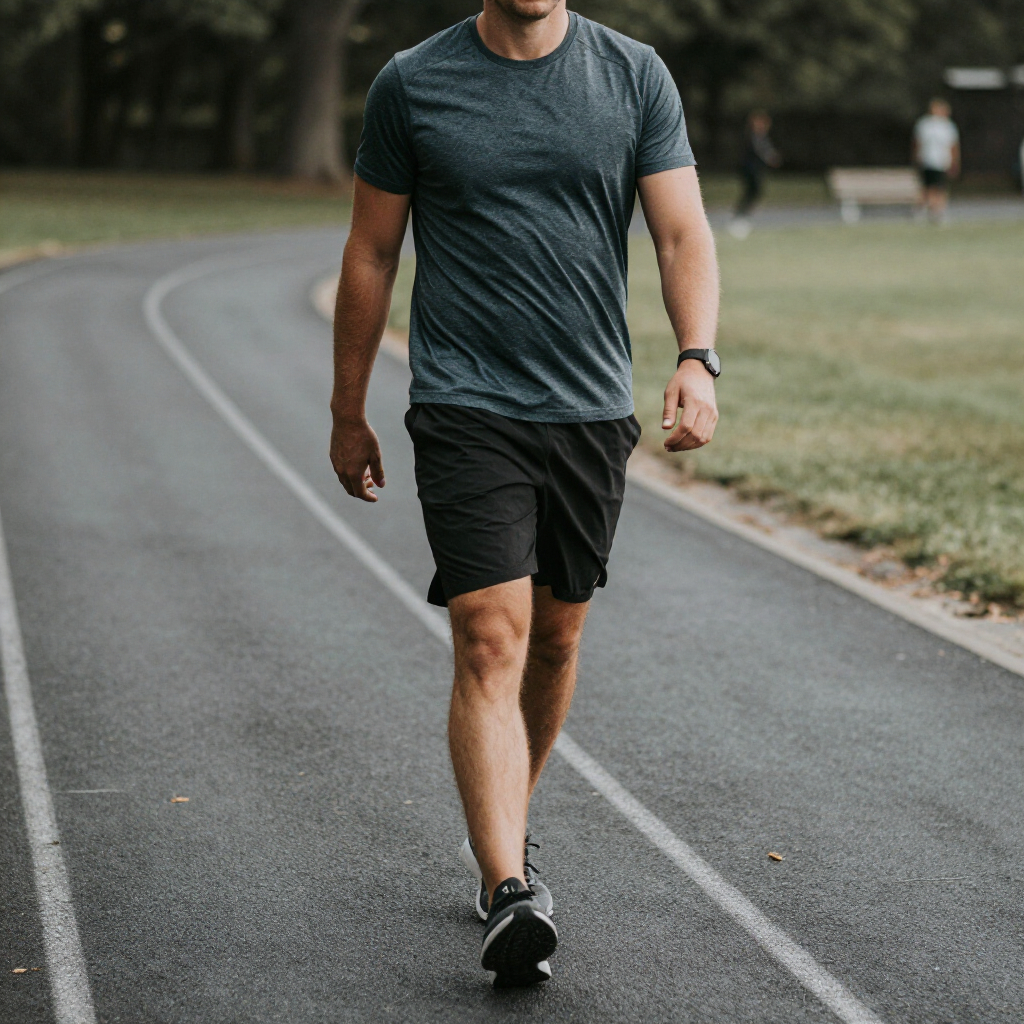
runner on paved trail Zone-2 Walking for CrossFit, steady pace, breathable training gear, smartwatch visible

Zone-2 Walking for CrossFit Athletes Explained

In CrossFit, conditioning is often associated with intense, fast-paced WODs, high heart rates, and breathless finishes. While this intensity builds power and short-term fitness, it does not fully support aerobic efficiency, recovery capacity, or long-term performance. This is where Zone-2 training becomes essential. Surprisingly, to many athletes, walking, when performed correctly, is one of the

Zone-2 Walking for CrossFit Athletes Explained Read More »

Low-intensity walking recovery for CrossFit athlete, relaxed stride on quiet track, breathable workout gear

How Low-Intensity Walking Restores the Nervous System

CrossFit is designed to test physical limits. Heavy lifts, fast-paced metabolic conditioning, and complex gymnastic movements demand not only muscular strength but also significant nervous system output.  While most athletes focus on muscle recovery, the nervous system, the command center of movement, coordination, and power, is often ignored. This oversight leads to fatigue that sleep

How Low-Intensity Walking Restores the Nervous System Read More »

Active Recovery for CrossFitters: Walking & Mobility Explained

CrossFit pushes athletes to their physical limits, lifting heavy, sprinting, jumping, and performing high-intensity functional movements. While the intensity delivers impressive gains, it also places tremendous stress on muscles, joints, and the nervous system.  Without proper recovery, even the strongest athletes risk overtraining, injury, and performance plateaus. This is where active recovery comes in, particularly

Active Recovery for CrossFitters: Walking & Mobility Explained Read More »

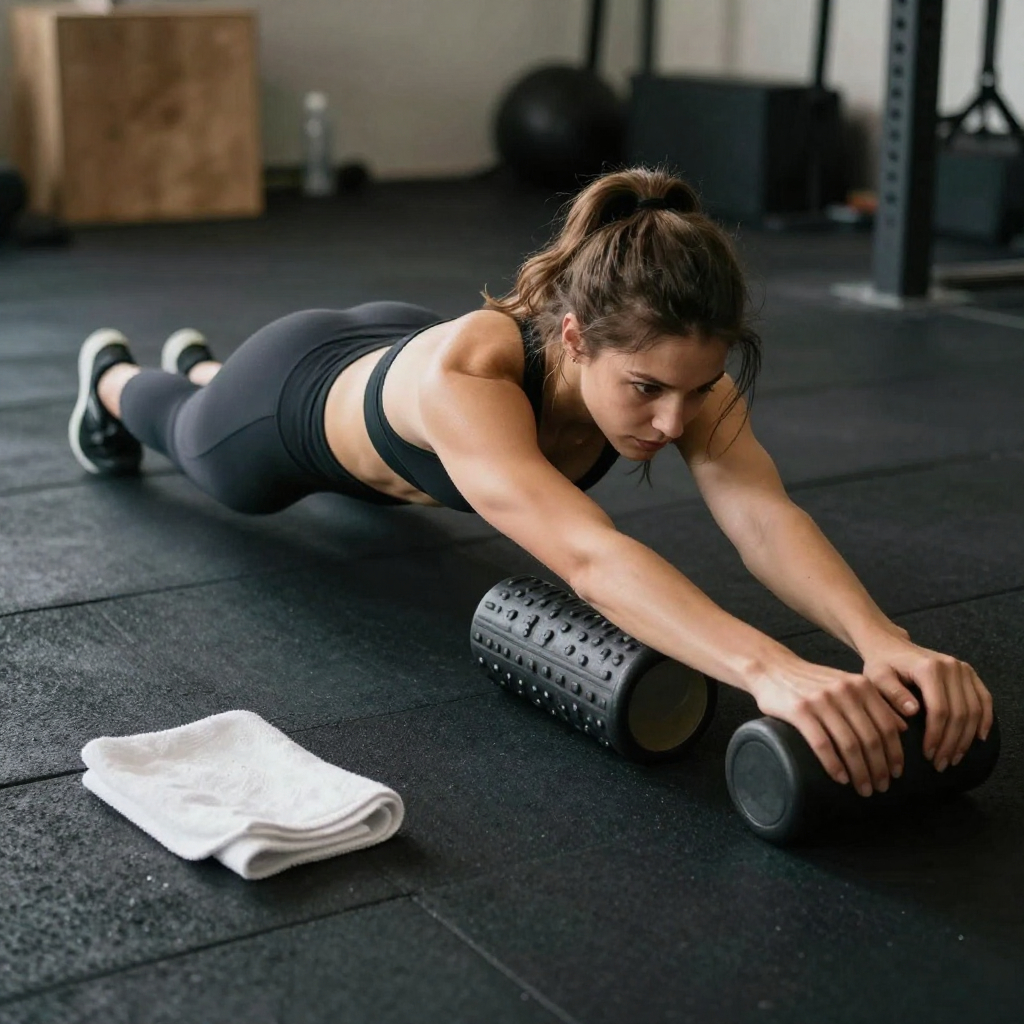
CrossFit Recovery of a young woman stretching on foam roller in gym, sweat towel nearby.

How Walking and Stretching Boost CrossFit Recovery (Duo)

CrossFit recovery, athletes often chase intensity, heavy lifts, quick transitions, and heart-racing WODs (Workouts of the Day). Yet, the key to consistent progress isn’t just in the effort you put inside the box, it’s what you do outside it. Surprisingly, two of the most effective recovery and performance enhancers are walking and stretching, simple, low-impact

How Walking and Stretching Boost CrossFit Recovery (Duo) Read More »

How Nutrition Impacts Sleep and woman eating healthy bedtime fruits tray with orange juice and fruit apples, cozy linens.

How Nutrition Impacts Sleep: Foods That Help (and Hurt) Your Night’s Rest

You Are What – and When – You Eat We often think of sleep as a nighttime habit, but the truth is that good sleep begins with what you eat during the day. Nutrition doesn’t just fuel your body; it programs your internal clock, affects hormone production, and influences how deeply you rest.From your morning

How Nutrition Impacts Sleep: Foods That Help (and Hurt) Your Night’s Rest Read More »

This image shows the woman working on getting Circadian Rhythm Alignment for All-day Energy-Gain.

How to Align Your Circadian Rhythm for All-Day Energy Gains

Why You Feel Tired Even After Sleeping Enough Have you ever slept for eight hours and still felt groggy the next morning?The issue might not be how long you sleep, but when you sleep. Your body operates on a natural 24-hour internal clock called the circadian rhythm, which regulates everything from hormone release to temperature,

How to Align Your Circadian Rhythm for All-Day Energy Gains Read More »

Fit runner holding electrolytes bottle, sporty attire, bright gym background

Electrolytes vs. Water: What Active Adults Must Know

Beyond Water, The Hidden Key to True Hydration Most adults know the rule, “Drink more water.”But few realize that hydration isn’t just about fluid intake. It’s about electrolyte balance, the invisible electrical system that keeps your muscles contracting, your heart beating, and your brain firing. In late 2025, as more people adopt high-intensity workouts, hybrid

Electrolytes vs. Water: What Active Adults Must Know Read More »

This image shows the water bottle of hydration water for a faster muscle recovery.

What Happens to Muscle Recovery When You’re Dehydrated

The Missing Link in Modern Fitness Ask most people how to recover faster, and you’ll hear familiar answers: protein, stretching, and sleep.But there’s one element silently shaping every part of your recovery, focus, and energy: water. Hydration isn’t glamorous, yet it’s the foundation of every biological process, from muscle repair to neural signaling.Still, over 70%

What Happens to Muscle Recovery When You’re Dehydrated Read More »