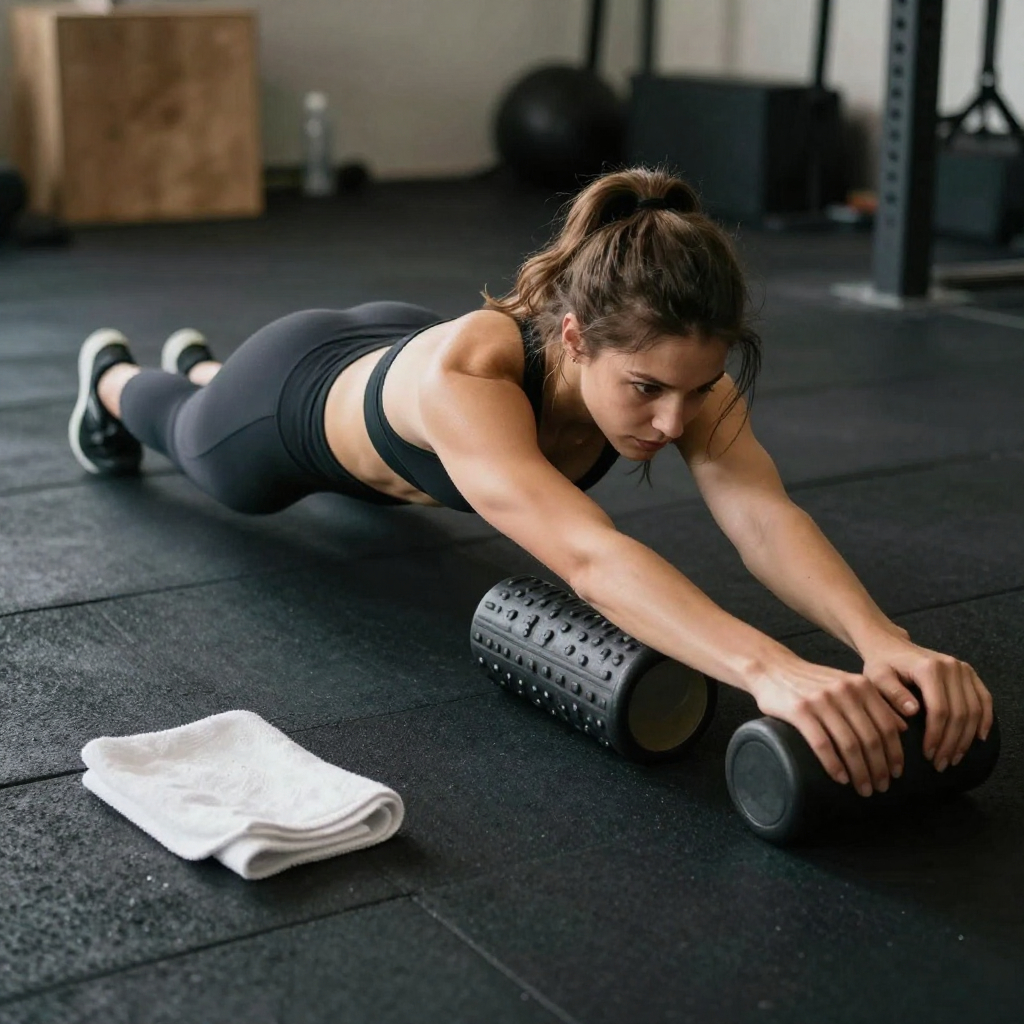
CrossFit recovery, athletes often chase intensity, heavy lifts, quick transitions, and heart-racing WODs (Workouts of the Day). Yet, the key to consistent progress isn’t just in the effort you put inside the box, it’s what you do outside it.
Surprisingly, two of the most effective recovery and performance enhancers are walking and stretching, simple, low-impact activities that support muscle recovery, improve circulation, and build long-term mobility.
In this guide, we’ll explore how these often-overlooked habits can reprogram your recovery system, enhance movement patterns, and protect your body from burnout, all backed by sports science and functional fitness insights.
Why CrossFitters Need Active Recovery
CrossFit is built on constantly varied, high-intensity functional movement. But such training demands a strong recovery foundation to sustain progress.
Active recovery involves performing light physical activity (like walking or dynamic stretching) after intense workouts to:
- Promote blood flow
- Remove lactic acid buildup
- Reduce soreness
- Maintain mobility without adding fatigue
Key Point:
Active recovery doesn’t mean being passive. It’s about moving smart, not less.
Walking: The Simplest Way to Accelerate Recovery
1. Walking Enhances Circulation
After a heavy CrossFit session, muscles become tight and inflamed. Walking promotes better oxygen and nutrient delivery to these tissues, speeding up recovery and reducing stiffness.
A 2023 study in the Journal of Strength and Conditioning Research found that light walking post-strength training reduced DOMS (Delayed Onset Muscle Soreness) by up to 25% compared to passive rest.
2. Boosts Aerobic Capacity Without Overtraining
Walking builds low-intensity endurance, essential for longer CrossFit workouts or Hero WODs like “Murph.”
Unlike high-impact cardio, walking improves your aerobic base without taxing your nervous system, making it ideal for rest days.
3. Helps Manage Cortisol and Stress
CrossFit’s intensity spikes cortisol, the stress hormone. Slow, steady walking helps balance cortisol levels, promoting recovery and hormonal stability.
Bonus Tip:
Try a 20-30 minute evening walk after your WOD. It enhances recovery, aids digestion, and improves sleep, a triple win for athletes.
Stretching: The Forgotten Key to Functional Performance
1. Why Mobility Matters in CrossFit
From overhead squats to handstand push-ups, CrossFit demands extraordinary mobility. Without it, form suffers, and injury risk rises.
Stretching improves joint range of motion, helps neuromuscular coordination, and reduces stiffness from repeated high-intensity training.
2. Static vs. Dynamic Stretching
| Type of Stretch | When to Use | Purpose | Example Movements |
| Dynamic Stretching | Before workout | Prepares muscles for movement | Arm circles, leg swings, inchworms |
| Static Stretching | After workout | Reduces tension, aids flexibility | Hamstring stretch, quad hold, pigeon pose |
Read More On: Dynamic vs Static Stretching | Which Fits Your Fitness Goals?
3. Stretching Enhances Muscle Activation
When muscles are too tight, your nervous system limits power output. Stretching resets this tension, helping major muscle groups (like glutes and shoulders) activate more efficiently during lifts and gymnastics movements.
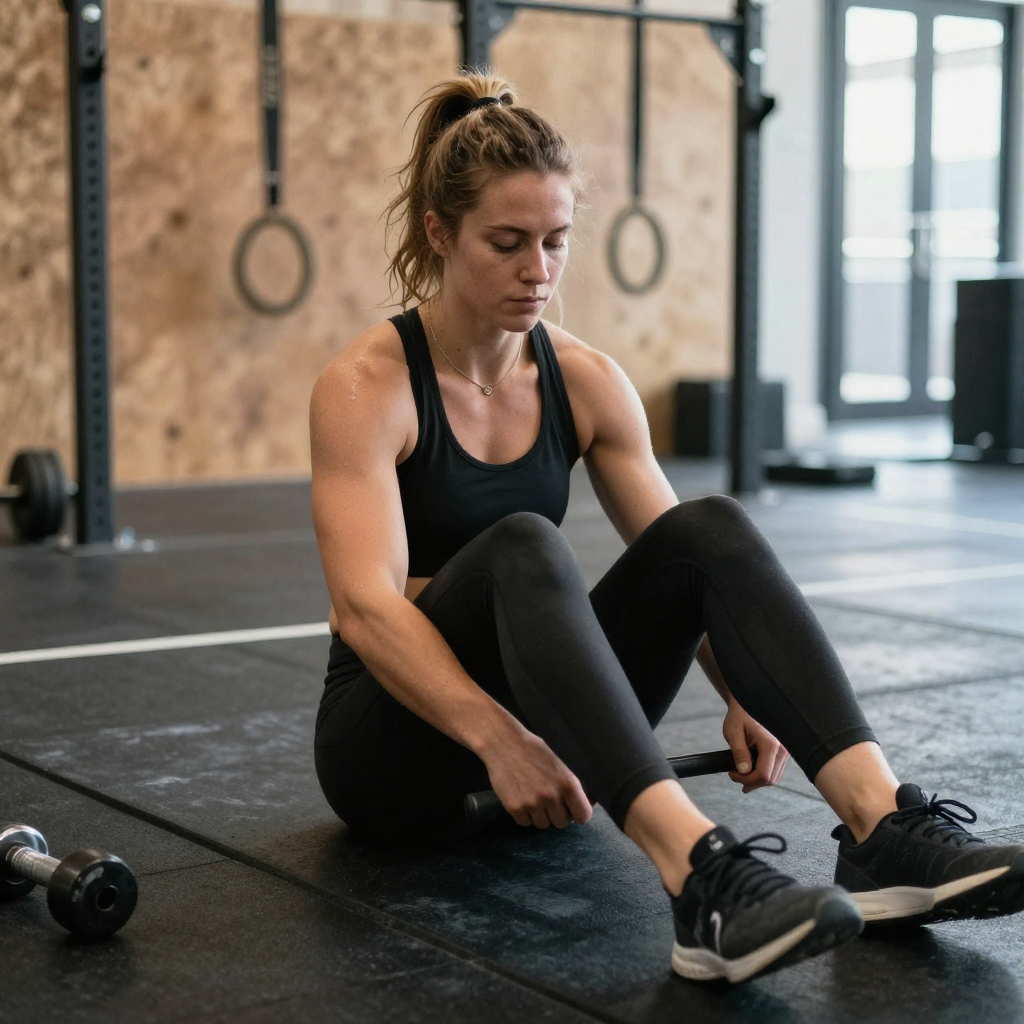
The Walking-Stretching Synergy
Walking and stretching are individually powerful, but when combined, they create a comprehensive recovery system that targets both physiological and neuromuscular health.
| Benefit Area | Walking’s Role | Stretching’s Role | Result for CrossFit Athletes |
| Circulation | Improves blood flow | Releases tight fascia | Faster muscle repair |
| Mobility | Loosens joints through movement | Increases range of motion | Better lifting technique |
| Mind-Body Balance | Lowers stress | Enhances body awareness | Improved focus during WODs |
| Injury Prevention | Promotes gentle loading | Corrects imbalances | Reduced strain and overuse injuries |
How to Incorporate Walking and Stretching into Your CrossFit Routine
1. Post-WOD Walking Protocol
- Duration: 10-20 minutes
- Intensity: Light (conversational pace)
- Goal: Keep heart rate at 50-60% of max to clear metabolic waste.
- Tip: Use this time to do deep nasal breathing to reset your nervous system.
2. Mobility-Stretching Routine (Daily or Post-Workout)
| Muscle Group | Stretch Type | Duration | Benefits |
| Hamstrings | Static forward fold | 30-45 sec | Reduces posterior tightness |
| Hips | Pigeon pose | 30 sec each side | Improves squat depth |
| Shoulders | Doorway chest stretch | 20 sec each side | Opens up for overhead lifts |
| Calves | Wall calf stretch | 30 sec | Aids running and jumping form |
| Lower Back | Cat-Cow dynamic flow | 10 reps | Enhances spine mobility |
3. Combine Both for “Recovery Flow”
Perform a 10-minute walk followed by 15 minutes of full-body mobility. This method keeps blood moving and prevents stiffness the next day.
Scientific Evidence Supporting Active Recovery
| Study Source | Key Finding | Implication for CrossFit |
| Journal of Sports Medicine, 2022 | Low-intensity walking enhances lactate clearance | Reduces post-WOD soreness |
| European Journal of Applied Physiology, 2023 | Stretching improves joint proprioception | Enhances form and control |
| Frontiers in Physiology, 2024 | Combined active recovery reduces inflammation markers | Faster muscle repair after intense sessions |
Mental Health Benefits for CrossFitters
CrossFitters often experience mental fatigue from continuous physical demand. Walking and stretching rewire your stress response:
- Promotes mindfulness through rhythmic movement
- Encourages deep breathing, reducing sympathetic activation
- Restores mental clarity after high-stress workouts
“Recovery isn’t just physical. It’s the space where strength rebuilds, in both body and mind.”
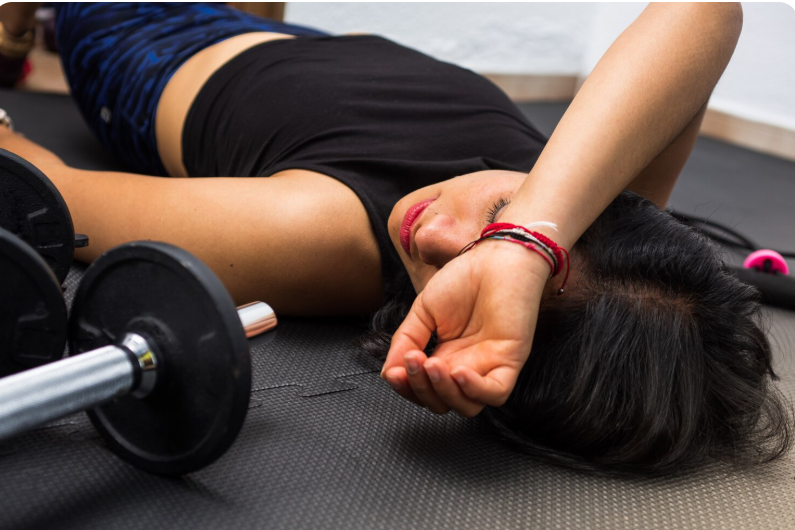
Common Mistakes to Avoid
- Treating recovery days as “lazy days”, instead, use them for movement-based restoration.
- Stretching too aggressively post-WOD, gentle, sustained stretches are safer and more effective.
- Ignoring walking on rest days, even a short stroll maintains active metabolism and circulation.
Key Takeaways
| Area | Best Practice | Expected Benefit |
| Recovery | 20–30 min walk post-WOD | Reduces soreness & cortisol |
| Mobility | 10–15 min full-body stretching | Increases range & flexibility |
| Performance | Combine both 3–4x per week | Improves endurance & movement efficiency |
| Longevity | Active recovery consistency | Fewer injuries & improved training sustainability |
Case Study 1: The Weekend Competitor Who Broke the Plateau
Profile:
Jordan, 32, trains CrossFit 4-5 days per week and competes in local throwdowns. Despite strong strength numbers, he consistently struggled with fatigue and tight hips after heavy squat or deadlift days.
Problem:
Jordan followed intense training cycles but ignored mobility and recovery. He often jumped straight from the gym into desk work, leading to aching quads, shortened hip flexors, and slower WOD times.
Solution:
His coach recommended adding 25-minute post-WOD walks three times weekly and a focused hip-opening stretch routine on rest days. Jordan followed guidance inspired by research on walking and muscle recovery from Harvard Health.
Result:
Within four weeks, Jordan reported smoother lifts, quicker recovery between sets, and less tightness during squats. His metcon pacing improved, and he shaved 18 seconds off a benchmark workout. Most importantly, he finally felt “springy” instead of stiff every morning, something training alone never gave him.
Also Read the Latest: How Small Movement Breaks Can Reverse Sedentary Damage
Case Study 2: The Busy CrossFitter Balancing Work & Wellness
Profile:
Sofia, 38, is a full-time project manager training in CrossFit at 6 a.m. before her workday. Her biggest issue was lingering soreness and shoulder stiffness from overhead workouts.
Problem:
Sitting 8-10 hours at work made her shoulders and thoracic spine tight, negatively affecting her snatch and overhead press technique. She felt like “mobility was holding her hostage.”
Solution:
Her physio recommended daily lunch-break walks (20-30 minutes) to counter long sitting periods and included a 5-minute shoulder mobility flow before bed. She also learned proper stretching timing based on insights from the Active Health Sport Stretching Guides.
Result:
After three weeks, Sofia noticed significantly better shoulder mobility and smoother overhead movement. Her coaches even commented on her improved form. She reported less mid-back tightness, better posture, improved breathing efficiency during WODs, and less mental burnout from work stress.
Case Study 3: The Master’s Athlete Reclaiming Mobility
Profile:
Mark, 46, is a master’s CrossFit athlete who loves competing in community events. His main challenge was persistent calf tightness and delayed recovery after high-volume box jumps or double-unders.
Problem:
Despite scaling intensity and adjusting volume, Mark experienced recurring lower-leg fatigue. Rest days weren’t reducing soreness fast enough, making him hesitant about participating in competitions.
Solution:
After consulting his coach, Mark added morning low-intensity walks (15-20 minutes) and a post-workout calf + hamstring stretch protocol four times per week. He used guidelines from the National Academy of Sports Medicine (NASM).
Result:
Within one month, Mark’s calf tightness dropped dramatically, and he was able to complete jump-heavy programming without discomfort. His recovery between workouts improved to the point where he could train with confidence again. He also noticed better sleep and reduced inflammation, unexpected but welcome benefits.
Read More On: Is Walking 10000 Steps Enough for Your Health Goals?
Have a CrossFit Recovery Story? We’d Love to Hear It!
If you’ve personally felt the difference that simple walking or stretching has made in your training, the Active Health Sport team would be excited to feature your story. Whether you overcame soreness, hit a new PR, or improved your daily mobility, your experience could inspire other athletes who struggle with recovery.
Feel free to reach out anytime, share your journey, your wins, your challenges, or even the small habits that made a big difference.
Your real-life results can help others train smarter and live stronger.
Final Thoughts
CrossFit is about pushing limits, but true progress comes when you balance intensity with recovery.
Walking and stretching might seem simple, yet they form the foundation of long-term athletic success. They repair what intensity breaks down, prepare the body for the next challenge, and keep your performance curve rising sustainably. So next time you finish your WOD, skip the couch, walk it out, and stretch it out. Your future self will thank you.
People Also Ask – FAQs
How often should CrossFit athletes walk for recovery?
CrossFit athletes benefit from walking 20-30 minutes, 3-5 days per week, as it promotes circulation and reduces muscular tightness. On full rest days, longer walks of 45-60 minutes at an easy conversational pace support deeper recovery, improve mobility, and help the nervous system reset without adding training stress.
When is the best time to stretch after CrossFit?
The ideal time to stretch is immediately after your WOD, when your muscles are warm and more receptive to an increased range of motion. Holding static stretches for 30-45 seconds per muscle group reduces stiffness, supports joint health, and helps your body transition more smoothly into recovery mode.
Can walking replace traditional active recovery like rowing or biking?
Yes. Walking can serve as an effective replacement because it increases blood flow, eases soreness, and boosts oxygen delivery without adding fatigue. Compared to rowing or biking, walking requires no equipment, has minimal impact on joints, and offers mental decompression, making it a reliable active recovery choice for CrossFit athletes.
Should I stretch before or after walking?
For optimal results, begin with dynamic stretches like leg swings or hip openers to warm up joints and improve walking mechanics. After your walk, switch to static stretches to lengthen tight muscles, support flexibility, and reduce residual tension. This two-phase approach helps prevent injuries and enhances movement quality over time.
How does walking affect CrossFit performance long-term?
In the long run, consistent walking strengthens your aerobic base, reduces recovery time between intense WODs, and improves mental clarity, all key drivers of CrossFit progress. It also decreases stress hormones and prevents overtraining, helping athletes train more consistently without burnout or unnecessary fatigue.
You might also like the following…
- Why Mobility Matters More Than Muscle for CrossFit Progress
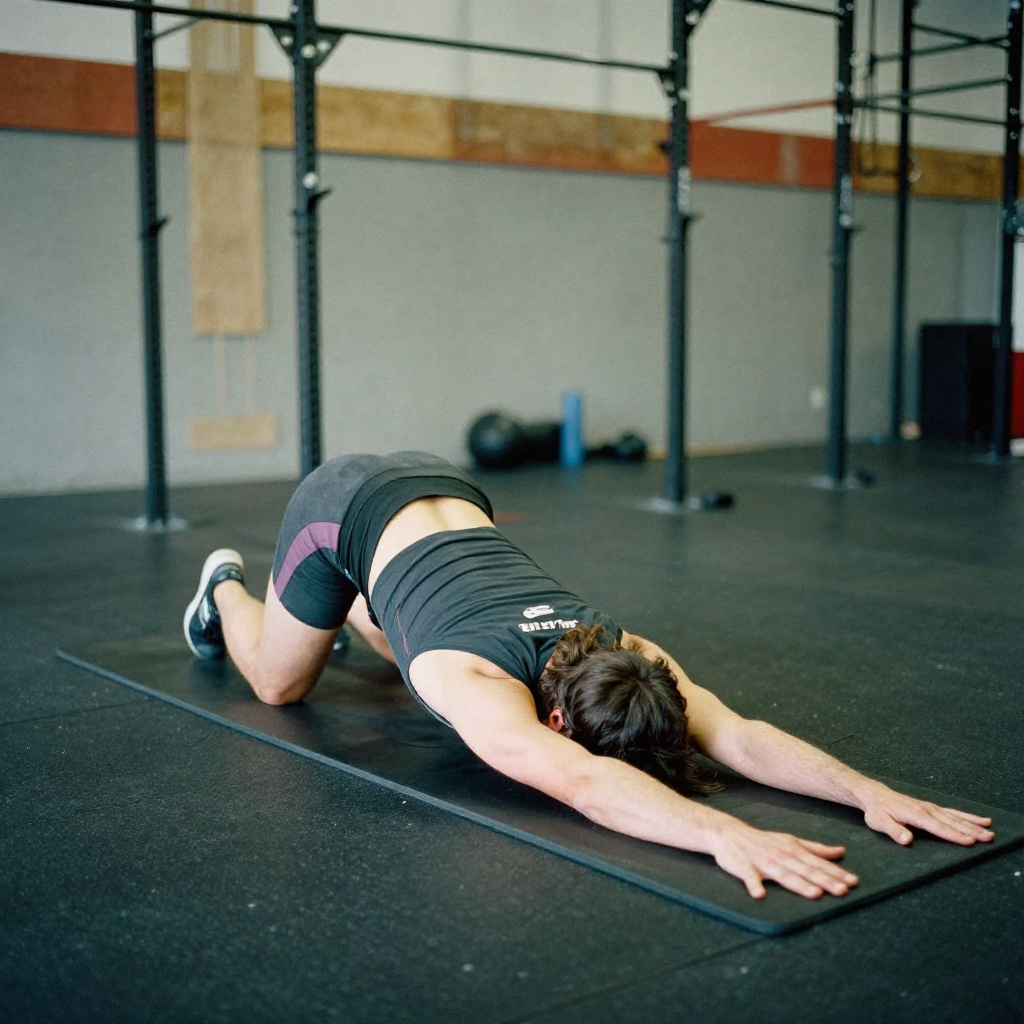 In CrossFit culture, strength numbers often steal the spotlight: heavier deadlifts, faster WOD times, and bigger PRs. While muscle and power are essential, they are not the limiting factor for long-term CrossFit progress.… Read more: Why Mobility Matters More Than Muscle for CrossFit Progress
 - Zone-2 Walking for CrossFit Athletes Explained
 In CrossFit, conditioning is often associated with intense, fast-paced WODs, high heart rates, and breathless finishes. While this intensity builds power and short-term fitness, it does not fully support aerobic efficiency, recovery capacity,… Read more: Zone-2 Walking for CrossFit Athletes Explained
 - How Low-Intensity Walking Restores the Nervous System
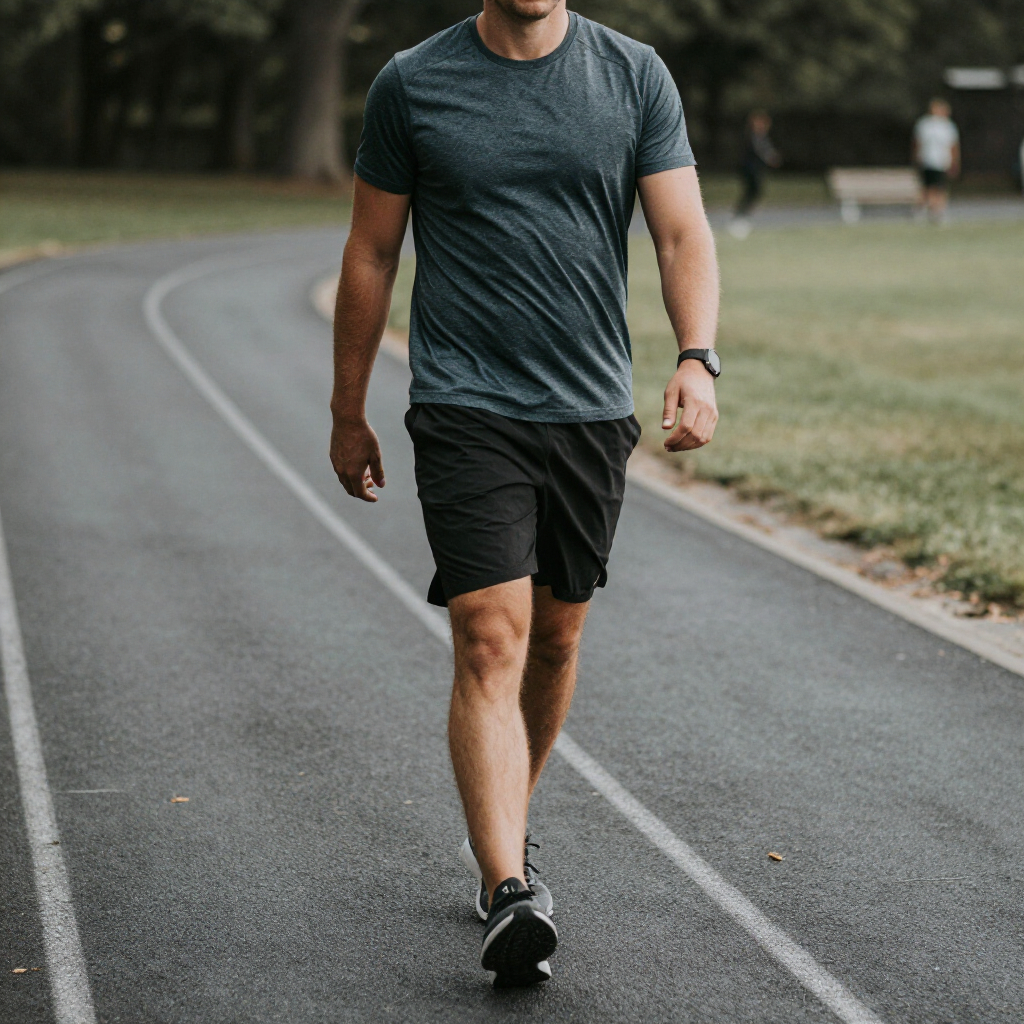 CrossFit is designed to test physical limits. Heavy lifts, fast-paced metabolic conditioning, and complex gymnastic movements demand not only muscular strength but also significant nervous system output. While most athletes focus on muscle… Read more: How Low-Intensity Walking Restores the Nervous System

Kait Amazra is the founder and lead writer of Active Health Sport. With over 25 years of experience in health, fitness, and wellness education, Kait combines professional expertise with a passion for helping people live stronger, healthier, and more balanced lives.
As a licensed health and fitness professional, Kait has worked alongside industry experts to deliver evidence-based insights on physical activity, nutrition, recovery, and holistic well-being. Through Active Health Sport, Kait’s mission is to make trusted, practical, and science-backed health information accessible to everyone, from beginners building new habits to athletes seeking peak performance.