
CrossFit pushes athletes to their physical limits, lifting heavy, sprinting, jumping, and performing high-intensity functional movements. While the intensity delivers impressive gains, it also places tremendous stress on muscles, joints, and the nervous system.
Without proper recovery, even the strongest athletes risk overtraining, injury, and performance plateaus.
This is where active recovery comes in, particularly walking and mobility-focused stretching. These deceptively simple techniques are powerful tools that improve circulation, reduce soreness, and enhance flexibility, all while priming the body for the next workout.
In this blog, we’ll explore why CrossFitters athletes should prioritize active recovery, share actionable walking and stretching routines, and provide evidence-based strategies to optimize performance sustainably.
What Is Active Recovery?
Active recovery is a method of restoring your body through gentle, low-intensity movement rather than complete rest. Think of it as “moving to recover” instead of “resting to recover.” While it might sound counterintuitive, why move when you’re already fatigued?
Science shows that this practice accelerates recovery and improves performance.
1. Active Recovery vs Passive Recovery
| Aspect | Active Recovery | Passive Recovery |
| Movement | Low-intensity activity like walking, yoga, or light cycling | Sitting, lying down, or complete rest |
| Circulation | Promotes blood flow to muscles and joints | Limited circulation |
| Muscle Repair | Helps remove metabolic waste and deliver nutrients | Slower repair |
| Mental Recovery | Encourages mindfulness and stress reduction | Can leave mind idle or restless |
| Recovery Speed | Faster recovery, reduced soreness | Slower recovery, prolonged stiffness |
Example: After a grueling CrossFit WOD, a 20-minute walk is active recovery, whereas lying on the couch and scrolling on your phone is passive recovery.
2. Key Benefits of Active Recovery
a) Lactic Acid Removal
High-intensity exercises like CrossFit create lactic acid in muscles. This chemical buildup can lead to soreness and stiffness.
- Active recovery keeps the blood flowing gently, which helps flush out lactic acid, reducing discomfort and enabling faster muscle repair.
- Walking or gentle cycling after training keeps muscles moving, aiding this process naturally.
b) Reduced Muscle Soreness
- Active recovery helps prevent DOMS (Delayed Onset Muscle Soreness).
- Light movements stimulate nutrient-rich blood flow to damaged muscle fibers, accelerating healing and preventing stiffness that can hinder your next WOD.
c) Improved Joint Mobility
- CrossFit places intense stress on joints due to repetitive high-load movements.
- Gentle movements like walking, dynamic stretching, or mobility exercises keep joints lubricated with synovial fluid, enhancing range of motion and reducing tightness.
d) Enhanced Mental Focus and Relaxation
- Recovery is not just physical. High-intensity workouts spike cortisol (stress hormone).
- Active recovery encourages mindful movement, walking slowly, stretching, and focusing on breath.
- This helps calm the nervous system, reduce stress, and improve mental clarity for future training sessions.
3. How Active Recovery Works for CrossFitters
CrossFit is a combination of strength, endurance, and functional fitness. Without adequate recovery, the body accumulates stress, and performance plateaus.
Active recovery works because:
- It keeps blood flowing, ensuring oxygen and nutrients reach fatigued muscles.
- It removes metabolic byproducts, like lactic acid, which slow recovery.
- It maintains flexibility and joint health, reducing the risk of injury from tight muscles.
- It calms the nervous system, balancing hormones and mental focus, which is especially important after intense WODs.
Also Read the Latest: How Small Movement Breaks Can Reverse Sedentary Damage
4. Examples of Active Recovery Activities
| Activity | Why It Works |
| Walking | Gentle movement keeps blood circulating without stressing muscles |
| Cycling (low resistance) | Improves circulation and aerobic conditioning |
| Swimming | Water reduces impact on joints while providing resistance |
| Yoga or Mobility Flow | Enhances flexibility and mind-body connection |
| Foam Rolling | Targets fascia to release tension and improve muscle elasticity |
Active recovery is not “resting” in the traditional sense, it’s strategically moving the body to accelerate repair, maintain mobility, and enhance mental clarity. For CrossFitters, incorporating walking, stretching, or gentle mobility routines between intense sessions maximizes gains and reduces the risk of injury, making it an essential component of a smart training program.
Why CrossFit Athletes Need Active Recovery
1. High Intensity Demands Recovery
CrossFit WODs involve repeated high-intensity movements. These put a strain on muscles, connective tissues, and the central nervous system. Neglecting recovery can result in:
- Chronic soreness
- Reduced strength gains
- Increased injury risk
2. Supporting Neuromuscular Health
Active recovery stimulates neuromuscular efficiency, helping the body learn to move correctly and coordinate large compound lifts.
3. Mental Reset
Walking and stretching not only help recover the body but also calm the mind, which is crucial for high-intensity training that taxes mental focus.
Walking: The Cornerstone of Active Recovery
Walking is the simplest yet most effective way to recover after CrossFit workouts.
Benefits of Walking for CrossFit Recovery
| Benefit | How Walking Helps | Impact on Performance |
| Circulation | Moves oxygenated blood to muscles | Speeds up repair and reduces soreness |
| Low-Impact Cardio | Maintains aerobic base without fatigue | Improves endurance for WODs |
| Hormonal Balance | Reduces cortisol and stress | Supports better sleep and recovery |
| Mental Clarity | Provides rhythmic movement and mindfulness | Enhances focus for future training |
How to Use Walking in Recovery
- Post-WOD: 15-30 minutes at a comfortable pace
- Rest Days: 30-60 minutes for gentle circulation and active metabolism
- Focus: Keep heart rate low and breathing steady; incorporate mindful walking for mental relaxation
Also Read the Latest: How Walking and Stretching Boost CrossFit Recovery (Duo)
Mobility Stretching: Restoring Functional Movement
Mobility stretching complements walking by targeting tight muscles, improving joint range, and preventing movement limitations common in CrossFit.
| Type | When to Use | Purpose | Example Exercises |
| Dynamic | Pre-workout | Warm-up and activate muscles | Leg swings, arm circles, inchworms |
| Static | Post-workout | Improve flexibility and reduce tension | Pigeon pose, hamstring stretch, chest opener |
Key Mobility Areas for CrossFitters
- Hips: Squats, lunges, and deadlifts require hip mobility.
- Shoulders: Overhead presses and handstand movements demand open, flexible shoulders.
- Spine: Twisting and back movements benefit from spinal mobility.
- Ankles: Essential for squats, jumps, and proper landing mechanics.
Combining Walking and Mobility Stretching: A Recovery Blueprint
Integrating walking and stretching creates a powerful recovery synergy:
| Focus Area | Walking | Stretching | Result |
| Muscle Recovery | Enhances blood flow | Loosens tight fascia | Faster repair |
| Joint Function | Gentle movement keeps joints active | Improves range | Better lifting posture |
| Nervous System | Reduces stress | Promotes body awareness | Less fatigue & improved focus |
| Injury Prevention | Low-impact motion | Corrects imbalances | Lower risk of overuse injuries |
Sample Recovery Flow
- 10-15 min walking – slow, steady pace, focus on deep breathing
- 10-15 min mobility stretches – hips, shoulders, hamstrings, calves, and spine
- Optional mindfulness – brief meditation or visualization for mental reset
Read More On: How 15 Minutes of Morning Mobility Can Eliminate Joint Pain
Walking and Stretching for Specific CrossFit WODs
1. Strength-Based WODs (e.g., Heavy Lifts)
- Post-WOD Walk: 10-20 min to flush lactic acid
- Stretching Focus: Hips, glutes, shoulders
2. MetCon WODs (High-Intensity Conditioning)
- Post-WOD Walk: 15–30 min for heart rate normalization
- Stretching Focus: Quads, hamstrings, calves, spine
3. Gymnastics-Focused WODs
- Post-WOD Walk: Short 10 min recovery walk
- Stretching Focus: Shoulders, wrists, thoracic spine
Scientific Backing for Active Recovery in CrossFit
| Study | Findings | Implications |
| Journal of Sports Science, 2023 | Walking after resistance training lowers DOMS | Speeds up post-WOD recovery |
| European Journal of Applied Physiology, 2022 | Stretching improves joint mobility & neuromuscular coordination | Reduces injury risk in high-intensity training |
| Frontiers in Physiology, 2024 | Combined walking & stretching decreases inflammatory markers | Promotes faster muscular repair |
Tips for Maximizing Recovery
- Consistency Is Key – Daily short walks and mobility routines are more effective than occasional long sessions.
- Listen to Your Body – Recovery intensity should match soreness levels and fatigue.
- Incorporate Mindfulness – Use walking and stretching time for deep breathing and mental clarity.
- Track Progress – Note improvements in mobility, recovery, and performance metrics.
Read More On: Why Mobility Is the Real Strength You’re Missing in Fitness

Real-Life Case Studies: Active Recovery in Action
Case Study 1: The CrossFitter Who Stopped Dreading Leg Day
Profile: Jason, 35, software project manager and recreational CrossFitter (5 WODs/week)
Challenge:
Jason loved high-intensity workouts but struggled with constant quad soreness and tight hips. Heavy squats and wall balls left his legs feeling “dead” for days, often affecting his sleep and motivation.
Recovery Shift:
Instead of complete rest, Jason added 20–30 minute low-intensity walks on non-training days and 10 minutes of hip and calf mobility after each WOD.
Outcome (After 6 Weeks):
- Faster recovery between leg-heavy sessions
- Less DOMS and better sleep quality
- Improved squat depth and smoother movement patterns
Jason noticed he could train consistently without feeling worn down, proving that recovery doesn’t mean doing nothing.
Case Study 2: The Competitive Athlete Avoiding Burnout
Profile: Emily, 29, CrossFit Open competitor and part-time coach
Challenge:
Emily trained twice daily during competition prep. Despite strong conditioning, she felt mentally drained and noticed declining performance during longer metcons.
Recovery Strategy:
Her coach introduced daily recovery walks (25-40 minutes) combined with thoracic spine and shoulder mobility on rest days instead of extra conditioning.
Outcome (After 8 Weeks):
- Improved heart rate recovery
- Reduced shoulder tightness
- Better focus and consistency during high-volume training
Emily reported feeling “fresher” without losing fitness, a key factor for long-term performance.
Case Study 3: The Busy Parent CrossFitter
Profile: Daniel, 41, father of two, CrossFits 3-4 times/week
Challenge:
Between work and family, Daniel often skipped recovery. Tight hamstrings and lower back stiffness began affecting his deadlifts and daily movement.
Recovery Adjustment:
He replaced one rest day with a 45-minute outdoor walk and added 5-8 minutes of spinal and hamstring mobility each evening.
Outcome (After 5 Weeks):
- Noticeably less back stiffness
- Improved hinge mechanics
- More energy for both workouts and family life
Daniel realized walking wasn’t “too easy” it was exactly what his body needed.
Share Your Recovery Story With Active Health Sport
Every athlete’s journey is different, and that’s what makes it powerful.
If walking, mobility work, or smarter recovery has helped you train better, feel better, or simply enjoy movement again, we’d love to hear your story.
Whether you’re a CrossFitter, weekend athlete, busy parent, or someone just learning to move pain-free, your experience could inspire others on the same path.
👉 Share your story with the Active Health Sport team and help build a community focused on longevity, performance, and sustainable fitness, not burnout.
Because real progress isn’t just about training harder. It’s about recovering smarter.
Common Mistakes in Active Recovery
- Skipping recovery due to a busy schedule
- Overstretching cold muscles
- Walking too fast or intensely on “easy” recovery days
- Ignoring neglected body parts (hips, shoulders, spine)
Key Takeaways
| Recovery Component | Recommendation | Expected Outcome |
| Walking | 15-30 min post-WOD, 3–5x/week | Reduced soreness, better circulation |
| Mobility Stretching | 10-15 min daily | Improved flexibility and injury prevention |
| Active Recovery Flow | Combine walking & stretching | Maximize recovery and performance |
| Mind-Body Reset | Add mindful breathing | Reduce stress and mental fatigue |
Active recovery isn’t optional for serious CrossFitters, it’s a performance multiplier. Walking and mobility stretching provide the foundation for faster recovery, better technique, and long-term results.
FAQs: Walking & Stretching for CrossFit Recovery
How long should active recovery walks be after CrossFit?
For post-WOD recovery, 10-30 minutes of easy walking helps flush metabolic waste and reduce stiffness. On rest days, 45-60 minutes at a relaxed pace supports circulation, aerobic capacity, and joint health without fatigue.
Should mobility work be done before or after a CrossFit workout?
Dynamic mobility is best before a WOD to improve joint range, muscle activation, and movement efficiency. Static stretching works better after training to calm the nervous system, reduce tightness, and support muscle recovery.
Why does active recovery work better than full rest for CrossFit athletes?
Active recovery increases blood flow, delivers oxygen and nutrients to muscles, and speeds waste removal. This reduces soreness, maintains mobility, and supports faster recovery compared to complete inactivity between intense sessions.
Which areas need the most recovery attention in CrossFit training?
CrossFit places heavy demands on hips, shoulders, spine, calves, and hamstrings. Prioritizing mobility and light movement for these areas improves lifting mechanics, protects joints, and reduces overuse injury risk.
Can walking really improve CrossFit performance over time?
Yes. Consistent low-intensity walking builds aerobic efficiency, balances stress hormones, improves recovery speed, and enhances neuromuscular coordination, allowing CrossFit athletes to train harder and more consistently without burnout.
How soon can athletes feel recovery benefits from walking and stretching?
Most athletes notice reduced soreness, better sleep, and improved movement quality within 1-2 weeks. Long-term benefits like endurance, joint resilience, and performance consistency develop over several weeks of regular practice.
You might also like the following…
- Why Mobility Matters More Than Muscle for CrossFit Progress
 In CrossFit culture, strength numbers often steal the spotlight: heavier deadlifts, faster WOD times, and bigger PRs. While muscle and power are essential, they are not the limiting factor for long-term CrossFit progress.… Read more: Why Mobility Matters More Than Muscle for CrossFit Progress
 - Zone-2 Walking for CrossFit Athletes Explained
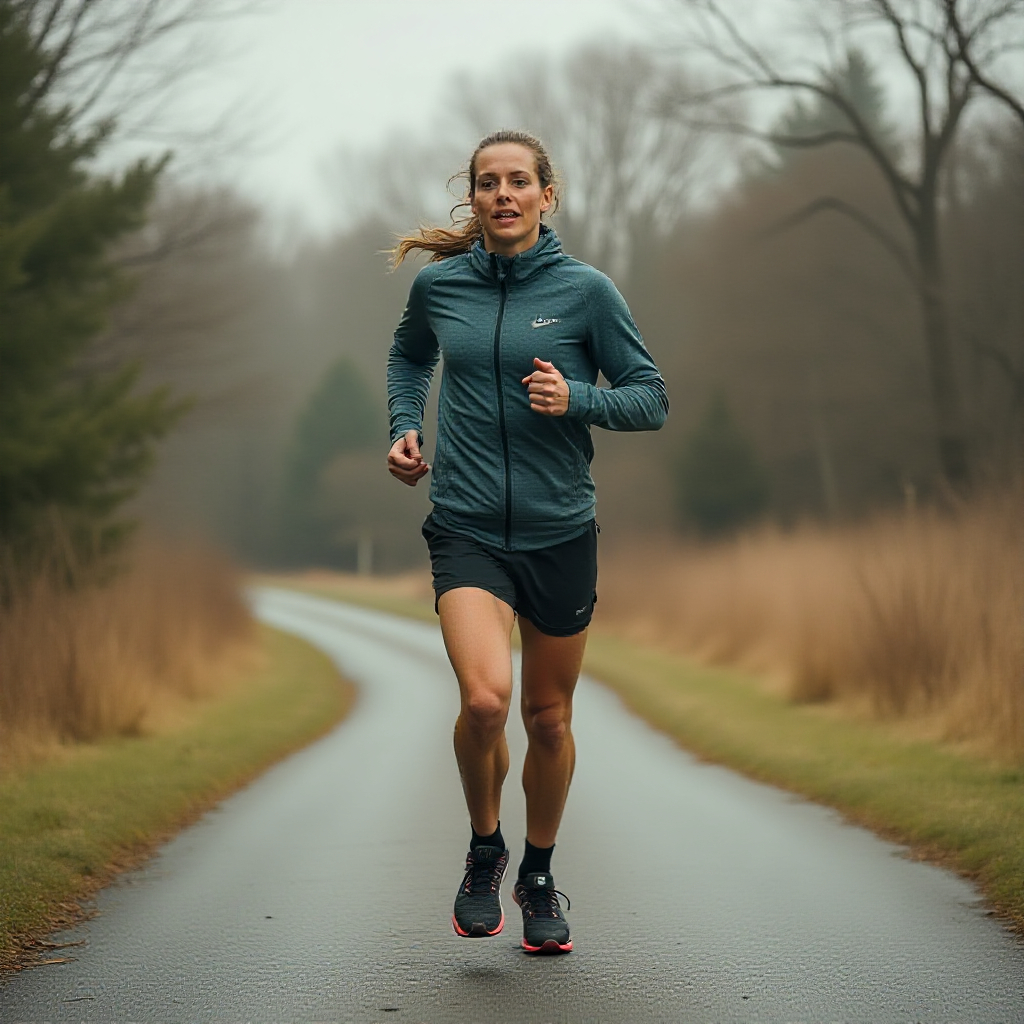 In CrossFit, conditioning is often associated with intense, fast-paced WODs, high heart rates, and breathless finishes. While this intensity builds power and short-term fitness, it does not fully support aerobic efficiency, recovery capacity,… Read more: Zone-2 Walking for CrossFit Athletes Explained
 - How Low-Intensity Walking Restores the Nervous System
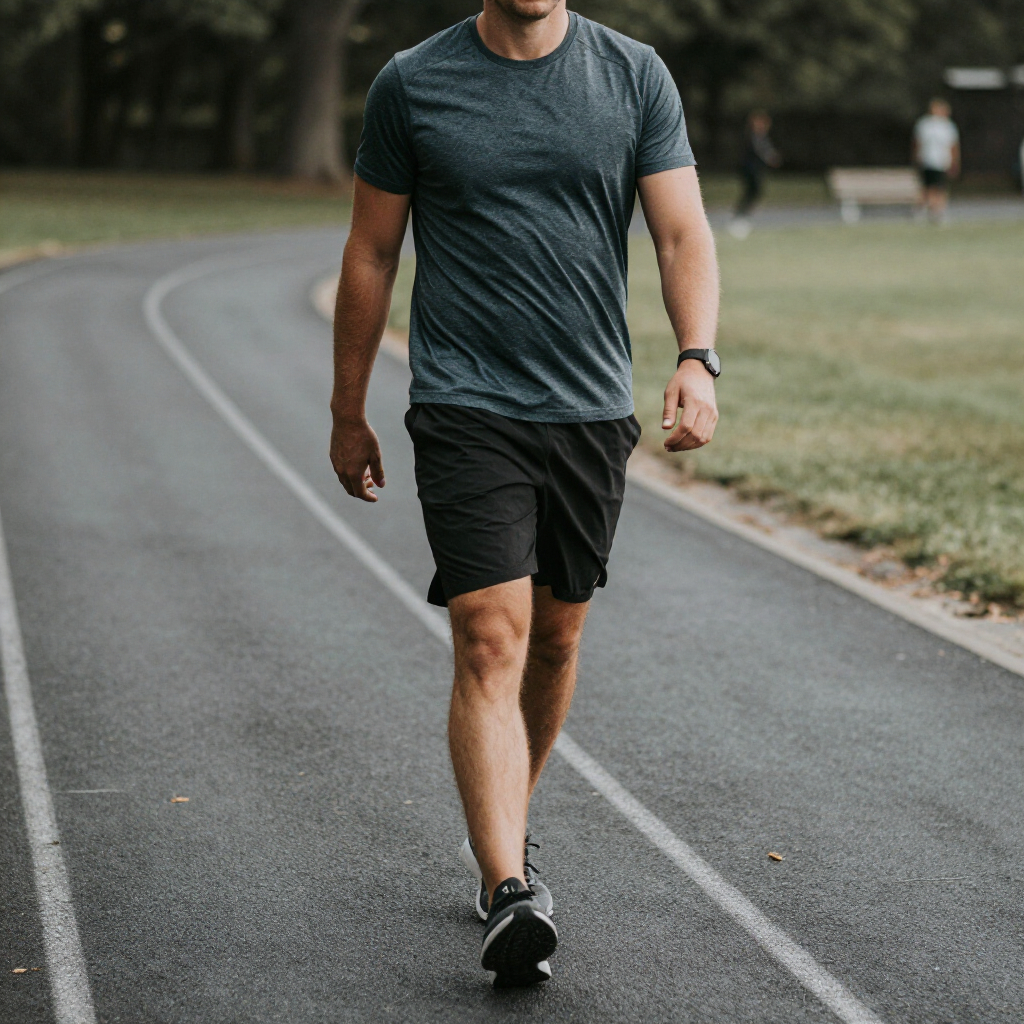 CrossFit is designed to test physical limits. Heavy lifts, fast-paced metabolic conditioning, and complex gymnastic movements demand not only muscular strength but also significant nervous system output. While most athletes focus on muscle… Read more: How Low-Intensity Walking Restores the Nervous System

Kait Amazra is the founder and lead writer of Active Health Sport. With over 25 years of experience in health, fitness, and wellness education, Kait combines professional expertise with a passion for helping people live stronger, healthier, and more balanced lives.
As a licensed health and fitness professional, Kait has worked alongside industry experts to deliver evidence-based insights on physical activity, nutrition, recovery, and holistic well-being. Through Active Health Sport, Kait’s mission is to make trusted, practical, and science-backed health information accessible to everyone, from beginners building new habits to athletes seeking peak performance.